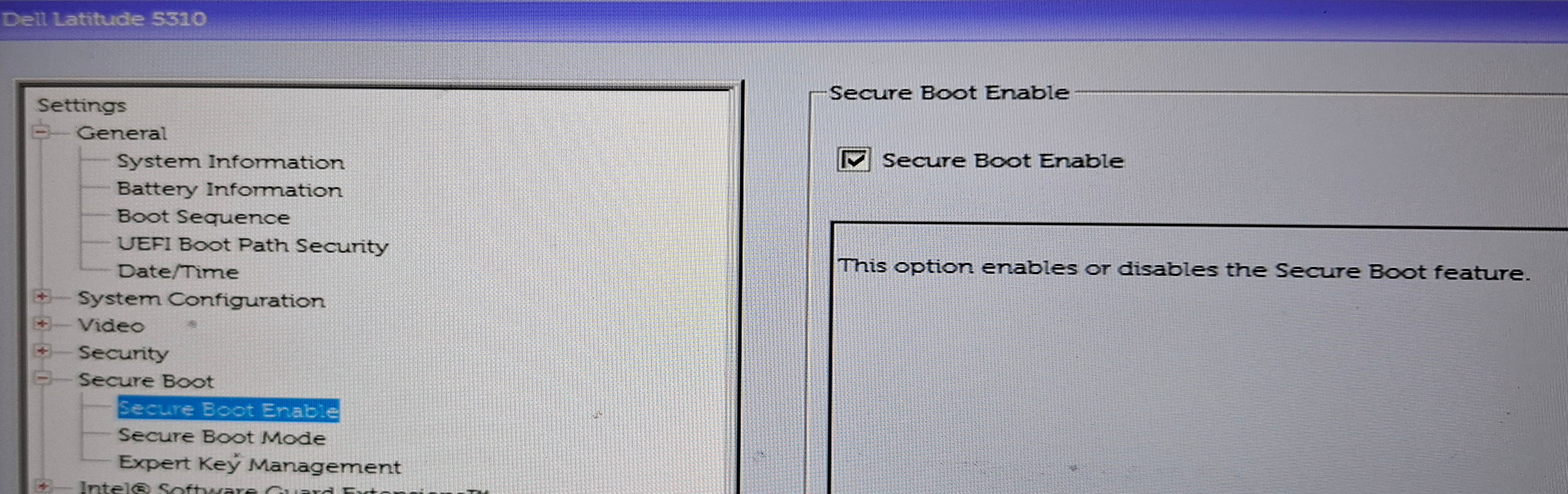
The Ars Technica article Microsoft’s Secure Boot has been broken for a decade and no one noticed until now has been generating quite a lot of discussion. At least among people who work in IT security. So, here are my 2 eurocents.
The Ars Technica article Microsoft’s Secure Boot has been broken for a decade and no one noticed until now has been generating quite a lot of discussion. At least among people who work in IT security. So, here are my 2 eurocents.
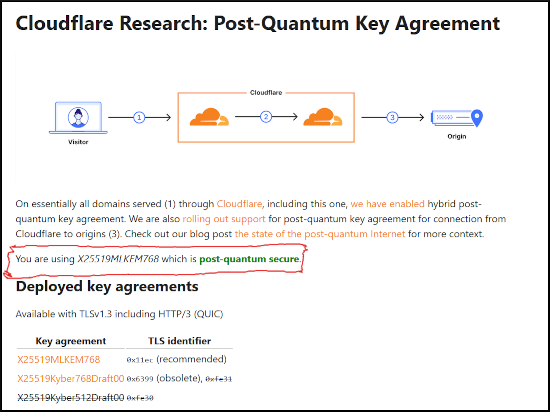
The recent hype about Google Willow inspired me to recheck what’s happening in the world of post-quantum cryptography. You probably already heard the alarming news - all of our encryption is becoming useless. The reality is not as tragic. What is true is that most asymmetric algorithms (those with public and private key) are very weak against quantum computers. They are widely used for two purposes:
I accidentally posted on GitHub some files I shouldn’t: my input files from Advent of Code. I thought it doesn’t matter since the files are generated for each player, but the AoC author specifically prohibits this. I don’t think it’s a big deal: few people visit my GitHub anyway. But let’s solve it. I might need that skill one day for a more serious problem.
Many distributions have switched from Docker to other container engines. There were different reasons for it - licensing or design choices - but for years I ignored the trend. I thought: container engines are supposedly 99% compatible with Docker, after all they all claim to support the OCI standard, but somehow I always run into this 1% of incompatibility. So I just always installed Docker to avoid the issues.
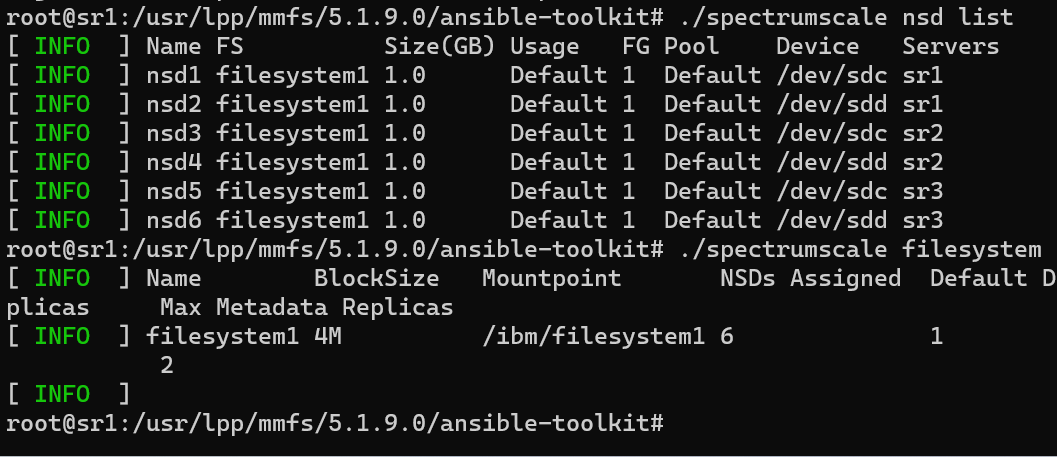
IBM Storage Scale (formerly Spectrum Scale, formerly GPFS) is a distributed file system often found in HPC clusters, Machine Learning platforms etc. It can scale up to an unimaginable size, it can provide higher throughput than any physical drive, it allows concurrent access from many nodes in the cluster. It supports distributed locking. It has all the standard features of Unix filesystems such as quotas or ACLs. Nodes and disks can be added and removed on the fly. There’s no single point of failure. It can also be accessed with S3, NFS or Hadoop compatible interface. And that’s not even a full list of features.